X
CLient Portal


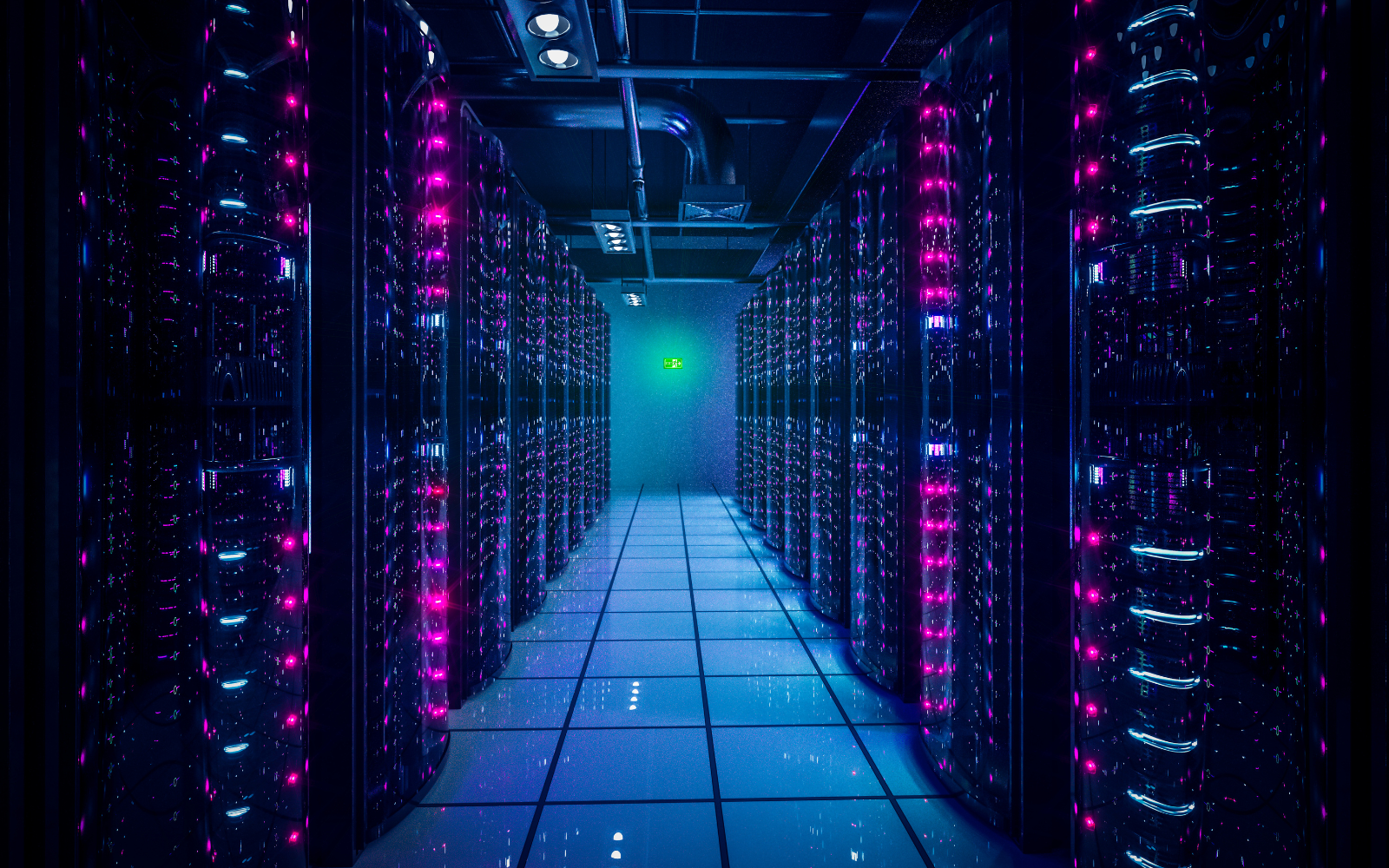
Artificial intelligence-related investments are currently dominating the United States economy. At an estimated $1 trillion, AI-related capital expenditure exceeds last year’s total manufacturing facility construction by a factor of five ($242 billion) and is actually higher, as a share of gross domestic product, than the build out of the railroads in the 1800s. The amount being spent on data centers and chips now surpasses the annual GDP of most countries.

To fund this spending, the largest tech companies have relied on ever-increasing amounts of debt in what is shaping up to be one of the largest, riskiest bets in economic history. The corporate debt (bond) issuance by Alphabet, Amazon, Meta, Microsoft and Oracle rose 500% from 2024 to 2025, and so far in 2026 it has tripled in magnitude. And then there are off-balance-sheet commitments like special-purpose vehicles that add an estimated $3 trillion debt burden to the hyperscalers’ balance sheets—money that will go to fund even more server farms filled with even more NVIDIA chips.
In the past (think: railroads or telecom and fiber), the gamble didn’t pay off—at least not immediately, and in many cases not before there were bankruptcies. Railroads and the Internet undeniably changed the way we live and work, but many of the companies that pushed all their chips on the table discovered that the profits coming back were less-than-immediate. Railroad investments that went wrong contributed to several of America’s 19th century financial panics. That may or may not happen with AI; it depends on how quickly the world figures out what it’s highest and best use might be.
But the larger point here is that a surprisingly big part of the country’s economic growth is coming from a surprisingly small number of companies, and it’s fair to wonder if the AI boom will continue to push the GDP up to healthy levels. The surprising conclusion is that we might be able to watch how artificial intelligence becomes mainstream, or not, and see from that how healthy (or not) our economy will become down the road.
Sources:
Access our comprehensive, unbiased financial guides here.