X
CLient Portal


.svg.webp)

When the Trump Administration nominated Kevin Warsh to replace Jerome Powell as the chairperson of the Federal Reserve Board, many expected a quick announcement that the Fed would be slashing the Fed Funds rate. The tea leaves were not hard to read: President Trump demanded an aggressive rate cut, and repeatedly berated—and even criminally investigated—former Chairperson Powell for not complying. His hand-picked successor understood the assignment.
But now it looks like rates might be going up, not down. The Fed has a mandate to tame inflation, and it has famously targeted a 2% rate. If inflation is above that rate, then the policy is to raise interest rates to cool the economy down. If inflation falls below that rate, or is trending toward it, that gives the Fed a green light to cut rates and make borrowing cheaper.
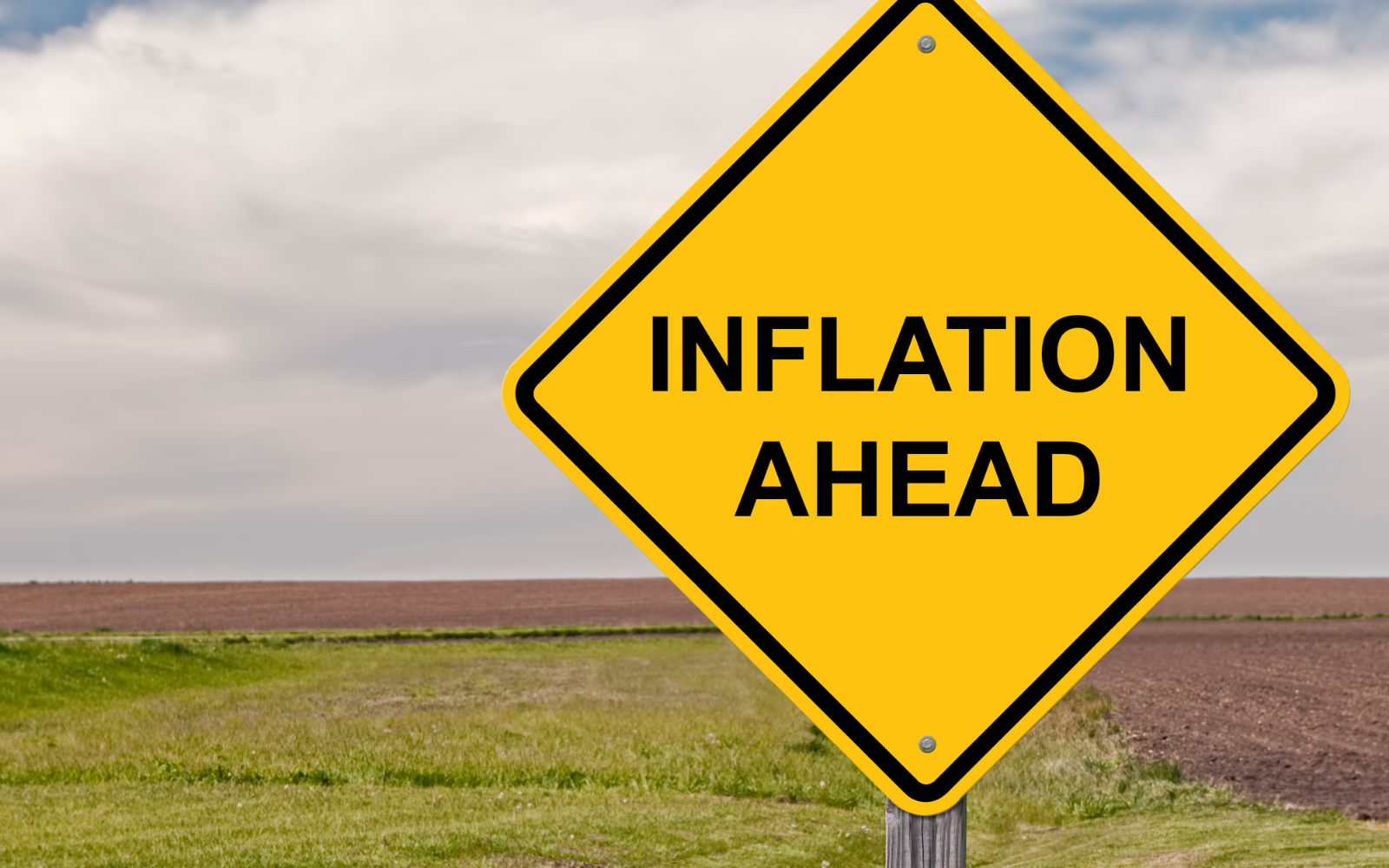
Right now, inflation is rising. The Personal Consumption Expenditures Index rose 3.8% in April, up from 3.5% in March. With gasoline prices at the pump up 50% since the start of the Iran war, there is no expectation that inflation has peaked. Even if energy prices stabilize, costs at the grocery store are rising almost across the board, and the closure of the Strait of Hormuz has choked off fertilizer supplies, raising farming costs.
In a recent speech, Fed governor Lisa Cook worried that inflation could take on a life of its own. Companies could embed higher energy costs into the prices they set, and workers would then incorporate them into the wages they negotiate. The resulting, self-reinforcing spiral could upend the economy. Meanwhile, the U.S. savings rate has dropped to 2.6%, down from 3.2% in April, as consumers spend more of their income for basic necessities.
None of this signals the end of the world. But it does mean that we should temper the interest rate expectations that seemed so plausible just a few months ago. And it might mean some harsh words from the President directed toward his hand-picked candidate.
Source:
Access our comprehensive, unbiased financial guides here.
.webp)
.webp)

.webp)
.webp)
.png)
.png)
.png)


.png)

%20(1).webp)
.webp)

.webp)